Solving Liquid Bulk Maintenance Plans
A Guide to Bulk Trucking: Key Services and Their Impact on Logistics
Bulk trucking is essential in logistical operations. It involves crucial services such as liquid bulk hauling and hauling dry bulk. Illinois top rated Bulk Trucking. The goal of these services is to improve supply chain effectiveness, cut down on costs, and guarantee timely deliveries. But, the involved processes necessary in bulk trucking bring up issues concerning safety, equipment, and upcoming innovations. Knowing these factors yields key insights into how logistics can adapt and thrive in a dynamic environment
The Significance of Bulk Transport in SCM Operations
Efficiency is a cornerstone of today's supply chain practices, and bulk trucking is key in boosting this efficiency. Bulk trucking facilitates the transportation of large quantities of goods, reducing the number of trips required and reducing the use of fuel. This hauling approach permits companies to optimize their logistics, making sure materials get to production facilities and products arrive at retail outlets on time. Through shipment consolidation, bulk trucking reduces operating expenses and helps improve inventory control. Additionally, it supports JIT delivery systems, which are essential for reducing waste and maintaining production schedules. The capacity to haul different materials, from unprocessed resources to completed goods, emphasizes the necessity of bulk trucking in ensuring a smooth supply chain. In an increasingly competitive market, the efficiency gains provided by bulk trucking are essential for firms seeking to enhance their operational performance and client contentment.
Types of Bulk Trucking Services

Bulk trucking services can be categorized primarily into liquid bulk transportation and dry bulk hauling. Each type serves distinct industries and requires specialized equipment and handling procedures. Grasping these distinctions is vital for businesses to efficiently handle their logistics and SCM needs.
Liquid Bulk Transportation
Given the increasing need for various liquid goods, grasping the forms of liquid bulk transportation services is essential for sectors reliant on these materials. Bulk liquid transport is focused on the hauling of liquids like chemicals, petroleum, and edible commodities. Tanker trucks, equipped with pressurized and insulated equipment, are frequently used to guarantee safe and efficient transport. These services are divided into several types, such as specific product hauling for specific products and common liquid transport that accommodates multiple liquids. In addition, numerous companies provide temperature-controlled transport to maintain the quality of the product. Therefore, picking the correct liquid bulk transportation service is crucial for maintaining product quality and meeting legal requirements in the supply chain sector.
Transporting Dry Bulk
Hauling bulk solids plays an essential role in the transportation of various granular and powdered materials, like grains, fertilizers, and building materials. This type of transport is generally executed using specific equipment, such as pneumatic tankers and dump trucks, designed to handle bulk quantities with safety and efficiency. Dry bulk transport is essential for industries such as agriculture, construction, and manufacturing, where the prompt delivery of materials can significantly affect output. Managing dry bulk transport require meticulous organization to ensure optimal routes and minimize transit times. Furthermore, operators have to adhere to safety regulations and best practices to reduce hazards related to handling and transporting these materials. Overall, dry bulk hauling is a key element of the broader bulk trucking sector.
Liquid Hauling: Secure and Efficient Liquid Movement
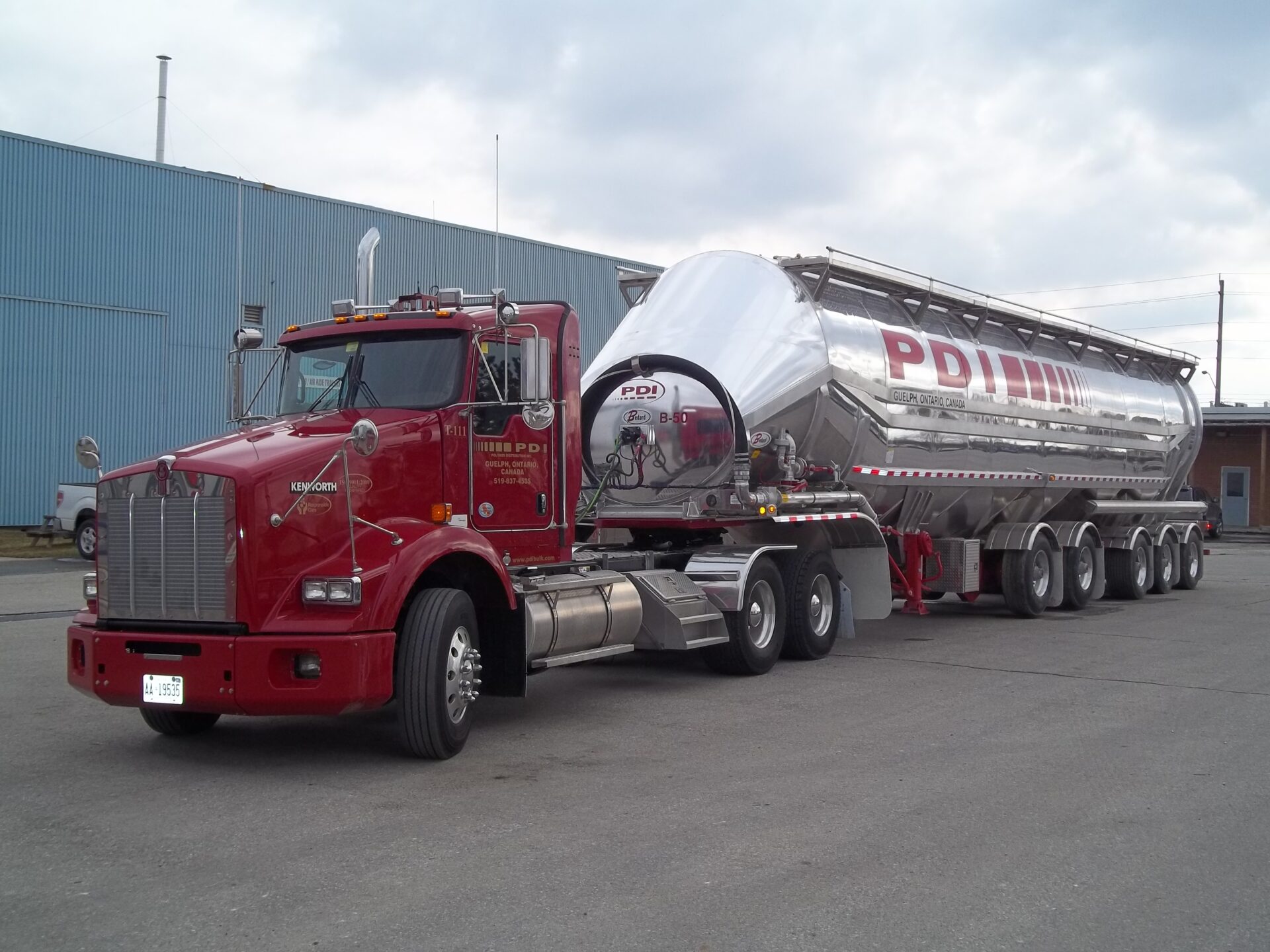
Tanker transport is vital in the logistics industry by enabling the secure and effective transport of liquid commodities. This specialized mode of transportation is necessary for moving various liquids, like chemicals, petroleum products, and foodstuffs in liquid form. Tank trucks are built with sophisticated security features to stop spillage and leakage, which are essential for safeguarding the environment and public health.
Managing tanker movement demand thorough preparation, such as route selection and adherence to safety regulations. The tankers utilized have to comply with strict safety rules, guaranteeing that the contents are transported securely. Furthermore, trained personnel oversee loading and unloading processes to keep the process safe and effective.
The financial significance of tanker transport is significant, as it supports various industries by enabling the timely delivery of essential liquids. As a result, efficient tanker operations is crucial for keeping the supply chain robust and addressing consumer requirements in an ever-more connected global market.
Dry Bulk Hauling: Managing Solid Commodities
A significant portion of the logistics industry relies on dry bulk hauling for the efficient transport of solid materials. This method is essential for moving goods such as plastics, grains, fertilizers, and minerals. Unlike liquid bulk, dry bulk materials demand specialized machinery, including specialized trailers and walking floor trucks, built to simplify loading and unloading processes. Proper management of these solid materials is crucial, as improper management can lead to spillage and contamination, impacting the environment as well as supply chain reliability
Furthermore, dry bulk hauling often involves traversing complex logistics, including timing and route optimization, to ensure minimal disruption. The impact of this service extends beyond mere transportation; it underpins many industries, from agriculture to construction, by guaranteeing prompt access of essential materials - Illinois top rated Bulk Trucking. As a result, dry bulk hauling is a key factor of the broader logistics framework, fostering dependability and effectiveness in the supply chain
Managing Bulk Shipments: Streamlining Operations
Efficient management of bulk freight operations is crucial for optimizing logistics and ensuring timely delivery of goods. This involves integrating multiple factors, such as transportation, storage, and handling of bulk materials. Key approaches include optimizing routes, which reduces travel duration and lowers expenditure on fuel. Furthermore, implementing technology for tracking shipments enhances visibility and enables immediate modifications.
Working together among partners is critical; producers, carriers, and receivers need to share information clearly to align schedules and expectations. Utilizing specialized equipment, like bulk tankers or pneumatic trailers, helps optimize processing, reducing loading and unloading times.
Stock control is also crucial, as precise prediction assists in keeping optimal stock quantities and prevents delays. By adopting these strategies, companies can markedly improve their bulk freight operations, resulting in reduced costs and improved customer approval. Employing an integrated strategy to freight management is fundamental for maintaining competitive advantage in the logistics sector.
The Future of Bulk Trucking in Logistics
Since technological innovations are constantly redefining the logistics environment, bulk trucking's future offers significant potential for improved efficiency and greater sustainability. Illinois top rated Bulk Trucking. Developations including autonomous vehicles and cutting-edge route optimization software will fundamentally change how operations run. These technologies can minimize fuel consumption, reduce operational costs, and shorten delivery schedules, consequently boosting bulk trucking's competitive edge
Furthermore, the integration of data analytics and the Internet detailed guide of Things (IoT) will allow for tracking shipments in real time, providing greater visibility for clients and optimizing stock control. As environmental regulations tighten, the move to non-traditional fuels, for example, electric or hydrogen-fueled trucks, will become more prevalent, contributing to a greener supply chain
Finally, the bulk hauling sector will be marked by dedication to performance, sustainability, and technology-driven solutions, positioning it as an essential component of modern supply chains
Questions and Answers
How Does Bulk Trucking Affect the Environment
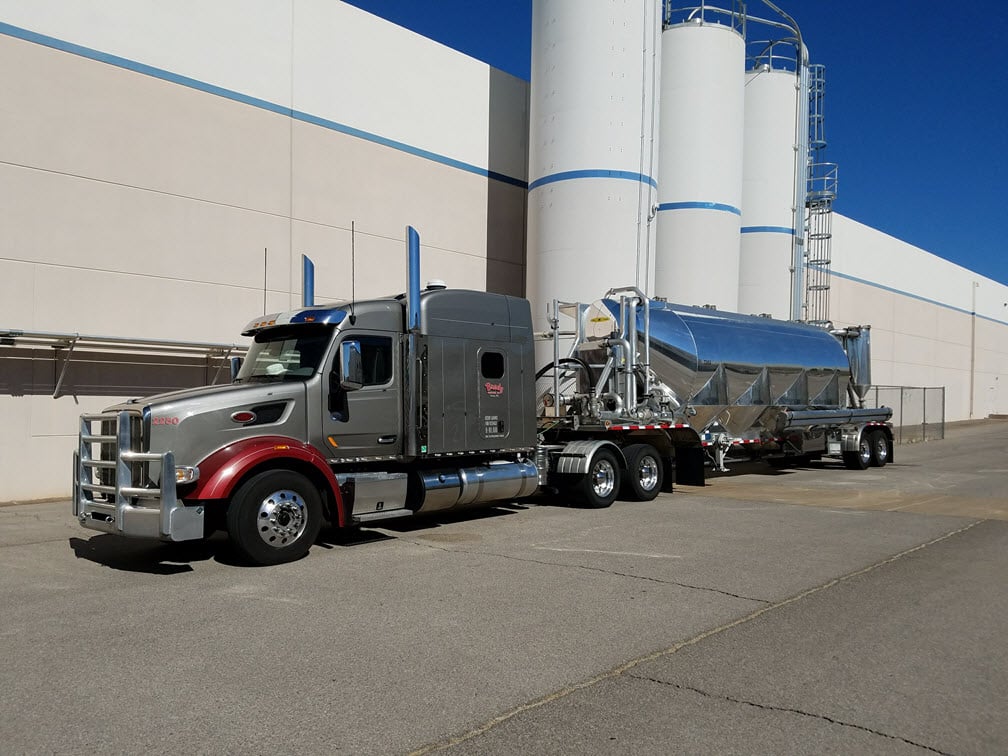
Bulk trucking contributes to environmental impacts through greenhouse gas emissions, excessive noise levels, and potential harm to infrastructure. Moreover, hauling dense materials has the potential to cause soil degradation and greater consumption of power, impacting regional ecosystems and the quality of the air.
In What Ways Do Regulations Influence Bulk Trucking
Legislation substantially impacts bulk trucking operations by imposing safety standards, emissions controls, and maximum load restrictions. Adhering to these rules affects running expenses, delivery timelines, and the selection of appropriate trucks, ultimately shaping the efficiency of logistics networks.
What Safety Precautions Are Used in Bulk Hauling
Safety protocols for bulk hauling encompass routine truck checks, training courses for operators, compliance with maximum weight allowances, utilizing proper cargo securing techniques, equipping vehicles with GPS trackers, and adhering to governmental safety legislation to minimize risks.
What Criteria Should I Use to Select a Bulk Trucking Company
When selecting an appropriate bulk hauling firm, you must assess their history of safety, their tenure in the sector, fleet capabilities, feedback from clients, the rates they charge, and service areas, making sure they match your particular hauling requirements and compliance with regulations for peak efficiency.
What Technology Is Used in Bulk Trucking Logistics
Bulk hauling operations utilize technologies like GPS monitoring, route planning applications, advanced communication systems, and ELDs (electronic logging devices). These technologies improve performance, improve communication, and ensure adherence to legal requirements, ultimately streamlining the transportation process.